I hope you have been enjoying your summer! I have been relaxing since I finished my figure competitions. My husband Mark and I went to the water park last weekend. It’s fun to be a kid sometimes and play. It’s also a great way to get exercise that’s not monotonous. But you have to run from ride to ride, that gives you that spurt of interval training! We brought fresh watermelon with us to re-hydrate, it was so refreshing.
Have you noticed the watermelon and melons in the store are so ripe and juicy right now?!
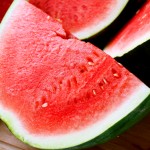
Melons are in season right now and so are peaches and plums…Oh My!
I was thinking about this after watching the movie Food Inc. – a documentary about the unhealthy aspects of America’s food industry – including animal cruelty and environmentally-harmful methods of crop growing. My friends had been suggesting watching Food Inc., and I’m so glad I got around to watching it because it ignited my passion for supporting local farmers and being more conscience of my buying habits. Now I eat produce that is in season from my local area as much as possible, and in doing so, am reducing my carbon footprint. Needless to say, I highly recommend watching this movie.
Here is the link to the trailer of the film: http://www.foodincmovie.com/
The film proves why buying locally and supporting local farmers aids in attaining a healthier lifestyle and reducing one’s carbon footprint. Buying locally has so many benefits, including boosting your local economy as well as buying and eating foods that are ultimately of better value, freshness, and better taste. While each state and region of the country varies with what types of foods are in season throughout the year, just check with your local farmers and keep in mind that “Acting Locally – Thinking Globally” benefits us all.
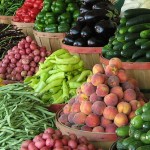
Here are a few of those reasons to buy local:
1. The fruits & vegetables that you see in your local grocery store ship from long distances which create a large carbon footprint on the environment…in fact, the average American foodstuff travels an estimated 1,500 miles before even being consumed!
2. Most fruit & vegetables are picked before produce is ripe which results in lower nutrient levels, including iron and other important nutrients.
3. Chemicals (insecticides, etc) are sprayed on the fruits and vegetables to ward off insects and American industrial agriculture dumps close to one billion pounds of pesticides on food crops annually! The US alone accounts for more than one third of the $33.5 billion in global pesticide sales.
4. Support your local economy, not large corporate conglomerates that are made up of guys wearing business suits that make decisions about how to produce the most food in the least amount of time – I’ve got a hunch that they aren’t thinking about what’s the healthiest for you and I.
So, do you want to know which produce is in season in your region of the country?
Here’s a simple list of fruits & vegetables that are grown here in the United States:
Summer (June, July & August): Apricots, Blackberries, Blueberries, Blackcurrants, Bananas, Cherries, Cantaloupes, Carrots, Strawberries, Redcurrants, Nectarines, Apples, Grapes, Peaches, Plums, Raspberries, Mangos, Watermelon, Baby Coconuts, Most melons, Beets, Broccoli, Cabbage, Corn, Cucumbers, Egg plant, Garlic, Green Beans, Celery, Summer Squash, Cilantro, Fennel, Zucchini, Broccoli, Asparagus, Artichoke, Watercress, Radishes, Snow peas, Leeks, Peppers, and Swiss Chard.
Fall (September, October & November): Lettuce, Tomatoes, Eggplants, Pumpkins, Spinach, Pomegranates, Winter Squash, Broccoli, Sweet Potatoes, Cranberries, Apples, Grapes, Mushrooms, Pears, Tangerines, Persimmon, Oranges, and Scallions. 
Spring (March, April & May): Greens, Mint, Morels, Lettuce, Kiwi, Kumquats, Parsley, Nettles, Naval Oranges, Sweet Onions, Peas, Asparagus, Spring Onions, Rhubarb, Radishes, Pea Greens, Strawberries, Turnips, Fennel, Carrots, Cilantro, Fiddleheads, Arugula, Beets, Cardoons, Beans, Apricots, Artichokes, Bok Choy, and Celery.
Winter (December, January & February): Chestnuts, Grapefruit, Oranges, Tangerines, Lemons, Kale, Leeks, Radishes, Rutabaga, Turnips, Citrus Fruit, Dates, Cranberries, Passion Fruit, Pears, Kiwi Fruit, Papayas, Persimmons, Collard Greens, Sweet Potatoes, Lettuce, Brussels Sprouts, Winter Squash, and Cauliflower.
*Avocado defies logic and seasonal patterns; generally you can always find fresh Avocados.
Kardena Pauza
Author of Easy Veggie Meal Plans
Certified Personal Trainer
 Hello there! I wanted to let you in on what I’m craving, and that’s a mango vanilla parfait! This is great because it is non-dairy, raw, and there’s no processed sugar. I love it as a summer time refreshing treat!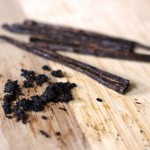
 A martini glass is the perfect serving glass for the parfait; create layers to make your parfait even more inviting and appetizing. Add a layer of mango first, you can add a sprinkling of other berries if you want, then vanilla crème, then another layer of mango, then another layer of vanilla crème on top. Voila!
 1. Limit the consumption of large seafood – they absorb the most toxins
 ilter out these types of chemicals.




 Do you want to know what my fat melting secret is that gives me energy naturally?


 I just ran this race called the Warrior Dash with some of my friends and clients, we had a blast! This race had obstacles along the 3 mile run. I highly recommend entering something like this even if you don’t think you are in tip top shape, it’s more about mental toughness. If you are looking for a way to make exercising fun or if you want to test your skills and be competitive, a race like this one would be great. Even if it’s not this specific run lots of cities hold mud runs and other fun runs, so look them up!
 I had requests to show how to make some great raw dishes so I’m sharing one of my favorites that’s also super easy and fast to make, Raw Spaghetti!

 Next are
 Teeccino
1