Jan
23

Milk Myth Busting

Posted by Kardena Pauza

cow-udderI was in Colorado last week visiting my family & friends and doing some snowboarding.  I always look forward to seeing my family!  Ok, I think I’m now traveled out from my recent Oregon trip and family Colorado visit .  I can’t wait to relax this weekend!

Let’s talk about the “supposed” best source of calcium: a.k.a: milk!

I was staying at a hotel with my parents and at the hotel lobby breakfast buffet, I saw a carton of milk with a hand drawn picture of a cow and the caption said:

“Drinking milk is an excellent source of calcium.” Or IS IT???

Then I looked up at the milk refrigerator and it said “Healthy Milk.”

I thought to myself, wow, I can’t believe the advertising, and people actually believe this stuff….It may contain calcium, but an excellent source?  I don’t think so!  I want to debunk that myth for you right now.

Americans consume a lot of milk annually along with Scandinavian countries, and many European countries.

In fact, we’re in the top 12  consumers of milk among all the countries in the world, yet the United States along with Europe account for more than half of all bone fractures in the world.  And the incidences of osteoporosis in these countries are increasing every year.  How does this happen if we are consuming cartons and cartons of milk, which is supposedly good for developing strong bones?  Why do we have high incidences of osteoporosis?

Because we’re not really consuming the BEST source of calcium that’ s easy for our body’s to absorb and milk actually has an adverse affect on our body’s.  In the Journal of Nutrition studies have shown that milk actually contributes to osteoporosis due to the high amounts of protein and the body’s inability to properly digestive, assimilate and absorb calcium form cows milk. Wow!

The truth is there are SO MANY better food options for obtaining calcium in your diet than milk. There is a list of the top 120 foods containing the most amount of calcium per gram, and this list was created by the USDA (United States Department of Agriculture).

Do you want to know what’s at the top of the list? Seeds! Nuts! Leafy Greens! Seaweed.  Where is cows milk?! Down around #50. Pretty shocking, huh?!   Gram for gram, milk is beat out by 50 plant based calcium rich foods!

Maybe we think milk is at the top of the calcium list because we see magazine ads showing athletes with the famous milk mustache or the “Milk, it does a body good” commercial, or the happy cow cheese commercials.  These are all paid for by the National Dairy Counsel to promote their product, milk! So their message is going to be somewhat skewed. Right?  Just like the ad’s in the Breakfast buffet area I’m sitting in now.

Some of the best sources may be very surprising to you. You can get plenty of calcium and minerals from kale, leafy greens, legumes, sesame seeds, chia seeds, broccoli and tahini, among so many others.

Also, in order to create healthy and strong bones, you need more than calcium, you need minerals and phospholipids to help bind the calcium to make the bone matrix. That’s why greens and plant-based calcium are much better for you, because they contain the minerals that your body needs like vitamin D, potassium, magnesium and fatty acids.

There is a study by the American Heart Association that found that vegetarian sources of calcium are more efficiently absorbed and that vegetarians retain more of their calcium from plant-based sources than non-vegetarians.

At the Centre for Nutrition and Food Safety, School of Biomedical and Molecular Sciences, University of Surrey, in the UK, a study was conducted to determine the impact of a lacto-ovo vegetarian diet and a vegan diet on bone mass.  The findings were published in the Osteoporosis International Journal and they found that the bone mass of vegetarians and vegans was of “normal bone mass.”

I was just talking to my client this morning and sharing with her about milk and debunking the calcium myth.  She said her fmaily is 3 generations vegetarian from India and they drink very little milk and they don’t have concerns or problems with osteoporosis in her family.  This got me really excited to hear this from someone I know.

Why is this significant?  Over half of us are lactose intolerant and have trouble digesting and assimilating milk.  The body’s inability to properly digest milk can cause so many health problems. And so many people overlook these health problems because we’re told milk is good for us.

Here are just a few of the health problems caused by drinking milk. This is the tip of the iceberg

  • Bloating
  • Gas
  • Intestinal disorders
  • Abdominal pains- constipation, diarrhea
  • Sinus Congestion
  • Ear Aches
  • Asthma
  • Skin eruptions
  • Allergies
  • Aggravated rosacea

Here are just a few of the foods that blow milk out of the water with their calcium content.

  • Raw almonds (over double the mg of calcium)
  • Sesame seed butter/tahini (triple the mg of calcium as milk)
  • White beans (double the calcium as milk)img_0102
  • Flax seeds (almost double the calcium of milk)
  • Kidney beans (you get the idea, more calcium)
  • Turnip greens
  • Dandelion greens
  • French beans
  • Brazil nuts
  • Seaweed
  • Navy beans
  • Collard greens
  • Dried figs
  • Mung beans
  • Raw parsley

You get the idea, so if you already eat these foods and foods like them.  Congratulations! You are truly doing something excellent for your bod.

Quick thought: What do cows eat for strong bones???? MILK???? No, green grass!!!

TIP: In the morning I add chia seeds or sesame seeds to my smoothie for  calcium and also for the texture!  Remember to keep it green by adding either Kale, spinach or green powder to your smoothie!

For fast, yummy, healthy vegetarian meal plans, check out EasyVeggieMealPlans.com for more nutrient-rich and calcium-packed foods!

Be Vibrant,easy-veggie-meals-ebook

Kardena Pauza,

Author of Easyveggiemealplans.com

90 day vegetarian weight loss program

Share/Save/Bookmark


Jan
18

Avoiding Vegetarian Pitfalls

Posted by Kardena Pauza

vegetarian-pitfallsI hope you’re ready for this one because a LOT of vegetarians are about to be SHOCKED (and maybe even disgusted) by what I’m about to reveal.

Everyday there are millions of vegetarians and even vegan dieters who are unknowingly consuming animal products – and even meat! Yes, that’s right; there are many hidden animal products in our diet.

Here are some common vegetarian foods that contain non-vegetarian ingredients:

Biscuits/Cookies

  • May contain animal fats. Look for vegetable fat

Bread

  • Some bakers grease the tins with animal fat.
  • Look for vegetable based emulsifiers (E471, E472)

Broth/Stock

  • May contain animal fat.

Cheese

  • Most cheeses are produced using animal rennet.
  • Look for non-animal based vegetarian cheese.

Chewing Gum

  • May contain glycerine that may have been produced from animal fats.

Chocolate

  • May contain whey and animal emulsifiers.

French Fries

  • May be fried in animal fat.

Gelatin

  • Mostly derived from animals (beef).
  • Vegetarian gelatin include Agar Agar, Carrageen and sea-weeds.

Glycerine/Glycerol

  • May be produced from animal fats.

Ice Cream

  • May contain eggs and gelatin that may have been produced from animal fats.

Jello/Jelly

  • Most contain gelatin that may have been produced from proteins in animal bones and skin.

Margarine

  • May contain animal fats, vitamin D3, whey, gelatin, etc.

Pasta

  • May contain eggs.

Pastry

  • May contain animal fat and/or egg

Pill Capsules

  • Mostly made from gelatin.

Potato Chips

  • May contain whey for flavoring.

Soups

  • Vegetable soups may be processed on the same equipment that process meats.

Whey

  • Whey is a byproduct of the cheese which is made by animal rennet.

Worcester Sauce

  • Usually contains anchovies.

Scary Note! When you order a vegetarian pizza or a vegetarian sub, be prepared to accept a few pieces of non-vegetarian foods. Restaurant workers don’t change the gloves for making a vegetarian sub/pizza after they’ve just made a meat version (unless you ask them).

How to Avoid Eating Too Much Sodiumsodium

When I was working with fitness expert Craig Ballantyne on his vegetarian diet, I found he was making a common mistake. Like most “lazy vegetarians”, Craig was eating a lot of foods from a can, such as Amy’s Organic Chili, black beans, and kidney beans.

However, these are all high-sodium foods, so you need to check the LABELS and compare the amount of sodium per serving with your daily recommended intake.

This goes for ALL pre-packaged foods, including pasta, oatmeal, cereals, and anything else that comes in a bag or a box with a label!

How to Avoid a Boring Vegetarian Diet

Don’t worry; it’s easy to eat a wide variety of foods and meals when on the Veggie Lifestyle. And that’s important not only for your taste buds but for your health, too.

One way to get VARIETY is to eat fruit and vegetables that are in season because they tend to have more nutrients since they are allowed to ripen on the plant longer, and because they are from local farms (which mean fewer resources are used to get to you).

There are SO MANY ways to create variety.

Think of the staple foods in the world. They are all basically the same staples; rice, flour, beans…Each country cooks and seasons these same foods in their own unique way.

Rice could be curried rice, paella, fried rice, saffron rice, etc… beans are made into soups, salads, veggie patties, and flavored with southwestern spices, Mexican spices,Indian spices, or Moroccan spices.

EXPLORE your local health food store and take some time to look at different products you normally wouldn’t take the time tvegetarian-grain-varietyo research.

For example, many people are very familiar with brown rice and know that it is healthier than white rice. But did you know there are other healthy grains you can substitute for brown rice? Grains like amaranth, quinoa, millet, and barley each have unique flavors that can add a pleasant twist to the flavor of your dish.

Collect some cultural spices and herbs and you will make amazing dishes I know you will enjoy. I don’t like buying recipe books because I only use 10% of the recipes since I don’t like or need most of them.

What I do instead is go online and search a particular dish I want to make and sometimes I combine a couple of recipes and omit some ingredients I don’t think will go well together. I end up with a really great dish. If it is a big success then I will print out the recipe and put it in my 3 ring notebook with the other super awesome recipes I’ve acquired – that I will then share with you here.

easy-veggie-meals-ebook

Your friend,

Kardena Pauza

Author of Easy Veggie Meal Plans for weight loss

Share/Save/Bookmark


Jan
13

Part 2- Oregon Road Trip and Pickles

Posted by Kardena Pauza

dsc08971websizeFor the second part of our road trip home from Oregon, Mark & I drove south west to the northern California coast to enjoy the Redwoods, the Coast and get in some mountain biking. I have to tell you, Oregon and Northern California are lush and beautiful with over grown fern, dangling moss, and massive trees. It was a magical place!

We brought our cooler with us on our trip so we could eat healthy and have our vegetarian food on the road. On our drive to the Redwoods, we were running low on snacks and lunch fixens so we stopped by a regular grocery store in a little town. It was a Sunday and the local health food stores were closed, bummer….So we made the best of the conventional grocery store.

Here’s what we still had in our lunch box/cooler and our dry bag. We needed to buy more food for lunch and dinner.
• Rice protein powder/green powder
• Raw almonds
• Raw Sunflower seeds soaked in a mason jar
• Himalayan salt
• Herb seasoning
• Oat groats
• Flax crackers
• Stevia
• Cinnamon
• Ginger (for nausea on windy roads, really helps!)
• 1-2 tupperware bowls to make salad or store made food
• a sharp knife
• disposable forks and spoons

We went hunting through the grocery store for healthy vegetarian friendly breadnbutterpickleswebsizefoods. The first place I go to is the fresh produce department. We ate healthy and light while traveling. We were only driving and visiting with family so we weren’t expending many calories.

I am so committed to staying lean and healthy, even while traveling!

Here’s what we bought at the grocery store
• fresh salsa (no preservatives)
• blue corn tortilla chips (we still love chips and salsa)
• red bell pepper hummus (no preservatives) Some may contain dairy so watch out.
• Organic celery (which I love to munch on and it’s great for strong bones)
• Organic pears
• Cherry tomatoes
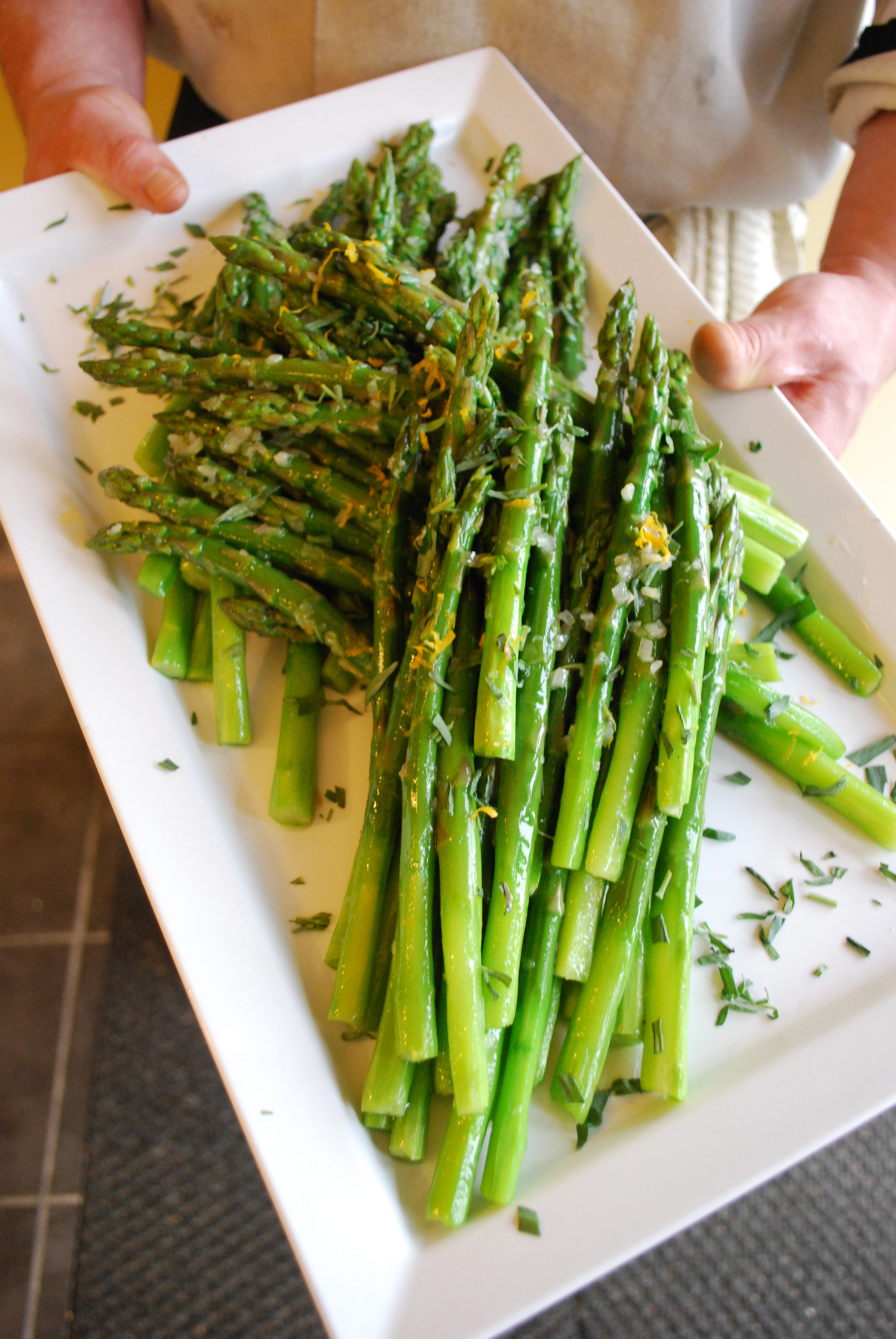
• Asparagus
• Avocados
• Lemon
• Mushroom
• Organic salad mix in a tub
• 2 bananas

Mark snuck some pickles in the basket on our way to the check out line. He likes the bread and butter pickles which are sweeter than regular dill pickles. I always look at labels before I buy a packaged product, especially when I am shopping at a conventional grocery store. I never trust the front of the label, you know, like if it says fat free, all natural, no trans fats, you get the idea…

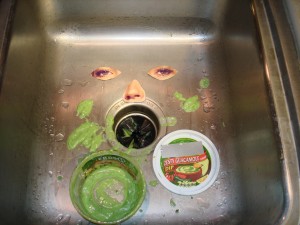
So I politely asked Mark if he read the label on the pickles before he picked it and he said no. It’s so funny, I have been teaching him about reading labels since we have been dating and he still doesn’t do it! He said he assumed there couldn’t possibly have been anything bad in it, their pickles! I checked it out and wow!

I was so shocked!

These pickles were not like my grandma used to make on the farm.

Here are the ingredients.
Cucumbers, high fructose corn syrup, vinegar, salt, food coloring blue #1 and food coloring yellow #5. When was artificial food coloring & high fructose corn syrup necessary to make cucumbers? I looked at every single jar on the shelf and I couldn’t find ONE natural jar of pickles! This is very shocking! What is the world coming too?!

My point is Always, Always, Always read labels and never assume.

So we skipped the pickles. And our total bill cost us $20 each, $40 total.

Here’s how we made a super delicious lunch salad.
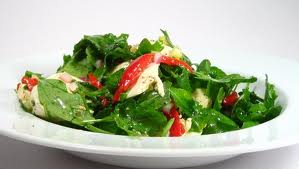
We had our tub of salad greens we just bought from the store, so we used the tub as our salad bowl. We chopped up avocado, mushrooms, asparagus, tossed in cherry tomatoes, and cut up cucumbers in the salad greens.

For my on the road salad dressing, I squeezed the juice of half a lemon into the salad, sprinkled salt and herb seasoning in the veggies, drizzled a little agave nectar in the salad and sprinkled sunflower seeds on top. We tossed the salad and enjoyed our salad, hummus and celery, and chips n’ salsa in the beautiful outdoors.

With the food we purchased plus the little food we had already, we had enough food for lunch, dinner, breakfast the next morning and lunch that next day. For buying $20 each in groceries, that’s $5 per meal. Woohoo! That is powerful stuff! We could have easily spent 3 times that amount, more like $60 each. I think eating out is one of the biggest hidden money pits. People justify eating out because “everyone has to eat”. Lame excuse.

That’s what a little preparation will do for you. Saves you money and you feel great physically and mentally knowing you are taking care of you body by eating healthy.

Now we were off to do a couple days of mountain biking in the Redwoods and The Big Sur. It was truly spectacular.
After our trip we both felt great, energized, and happy that we stayed true to our path.

Do you have any tips that help you stay on track while traveling or traveling foods? Post a comment!

Your Friend,easy-veggie-meals-ebook

Kardena Pauza

Author of Easyveggiemealplans.com,

90 day vegetarian weight loss meal plan

Share/Save/Bookmark


Jan
11

vegetarian-nutritionThe most common argument against a vegetarian diet is that you can’t get enough calcium or iron, or that you will need to get a Vitamin B12 shot from your doctor.

However, it is easy to get plenty of calcium to build strong bones and it’s not difficult to get enough iron. The ONLY nutrient that will take a little extra effort is Vitamin B12.

Calcium:
Everyone thinks you need to drink milk to get calcium, but cows, horses, gorillas, and elephants, some of the world’s strongest and most powerful animals, all have built their big strong bones on a vegetarian diet.

Plant based calcium sources are easier to digest, and you don’t have to worry about being lactose intolerant when you eat plant based calcium sources.

The BEST non-dairy sources of calcium are fortified beverages (such as soymilk and orange juice) and dark, leafy greens like kale and broccoli. Other foods like legumes and almonds can give you calcium.

Iron:
Iron is an important element in your red blood cells to help carry oxygen throughout your body. Iron deficiency is known as anemia and is characterized by chronic fatigue and being susceptible to infections. If these symptoms exist then you MUST first visit a doctor to verify and diagnose the issue.

Since meat is traditionally known as the best source of iron, people think vegetarians will end up iron-deficient and anemic.

However, there are many iron-rich vegetarian foods, and by eating a variety of whole foods the vitamins, minerals, and phytonutrients work together synergistically to maximize absorption of the other nutrients in the foods.

To better explain this, scientists have found that eating vitamin C rich foods with iron rich foods (like spinach) increases the absorption of iron. For example, because bell peppers give you 230% of your daily Vitamin C requirements (that’s more than twice as much as oranges), you can eat a salad containing spinach and bell peppers and you’ll absorb a lot of iron.

Plant SOURCES of iron range from green leafy vegetables (spinach, collard greens, swiss chard, kale), whole grains, legumes, soy beans, black strap molasses and dried fruit. And remember to eat foods rich in vitamin C to enhance absorption.

With that being said, the RDA recommends for pre-menopausal women 15 mg per day and 10 mg for men and post menopausal women.

Here’s a list of iron rich foods:

  • Broccoli ½ cup 0.7 mg
  • Tofu ½ cup 13 mg
  • Black beans ½ cup 1.8 mg
  • Molasses, black strap 1 Tbl. 5 mg
  • Raisins 1 oz. 0.7 mg
  • Parsley 3 Tbl. 0.6 mg
  • Whole wheat cereal 1/3 cup 1.1 mg
  • Oats, whole rolled 1/3 cup 2.5 mg
  • Lentils, sprouted raw 1 cup 2.5 mg
  • Buckwheat 1/3 cup 1.3 mg
  • Kale fresh 1 cup 1.1 mg
  • Beets 1 cup 1.1 mg
  • Wheatgrass juice 1 oz. 0.6 mg

As you can see, it’s not hard to get enough iron by consuming whole, natural foods. In addition, many foods – such as breads and cereals – are now FORTIFIED with iron which can help supplement your diet if necessary. However, just watch that these cereals and breads are not refined or full of additives or preservatives.

Vitamin B12:
Vitamin B12 is essential for your body and is stored in the liver and released when it is needed. Scientists like Dr. T. Colin Campbell, author of “The China Study”, say that Vitamin B12 can be stored for up to 3 years. As of right now the only confirmed way to obtain Vitamin B12 is through fortified foods or supplementation. The RDA for Vitamin B12 is 2.4 micrograms for adults.

You may need to talk to your Doctor about taking a Vitamin B12 supplement because this is the one nutrient that is not naturally found in plant foods.  So it is ESSENTIAL to make an effort to add this to your diet.

Foods fortified with Vitamin B12 include non-dairy milks (soy and rice milk), veggie “meats” and breakfast cereals. But look at all the ingredients in these foods to eliminate refined products or additives and preservatives.

I personally use “Living Vitamin B Nano Plex” as an excellent source of Vitamin B12. It is the first Vitamin B12 made from probiotic fermentation which is more bioavailable to the body. Another option is taking B12 sublingual (dissolve under the tongue). I recommend methylcobalamin which is naturally occurring.

Cyanocobalamin is a commonly used synthetic B12 supplement that’s also used in fortification of foods because it can be produced so cheaply. When cyanocobalamin is metabolized in the body the by product created in small amounts is cyanide. We are not exactly sure the impact on the body but I don’t feel comfortable using it.

So there you have it - a couple of great vegetarian nutrition tips to increase your iron and calcium absorption, while skipping the special B12 appointments with your doctor.

Your friend,easy-veggie-meals-ebook

Kardena Pauza

Author of Easy Veggie Meal Plans for weight loss

Share/Save/Bookmark


Jan
06

vegetarian-lifestyleI have to admit, with all the “labels” we give to eating styles, it sure can be confusing to a new vegetarian. The broad definition of a vegetarian is a person who does not eat meat.

Vegetarians eat all other foods from fruits, veggies, nuts, grains, and oils/fats. From this foundation there are subgroups that choose to eat or avoid certain foods. People choose their diet based on many different reasons and from many different perspectives.

Some people choose to be vegetarian for health reasons, religious reasons, or maybe they grew up vegetarian and it’s always been a way of life, while others believe the slaughter of animals is inhumane. Whatever the reason, we should honor their choice.

Semi-Vegetarian
• Eats less meat than average person.

Demi-Vegetarian
• A person who eats no or little meat but may eat fish.

Pescetarian
• A vegetarian who also consumes fish.

Lacto-Vegetarian
• A vegetarian who eats all dairy products but no eggs.

Lacto-Ovo-Vegetarian
• A vegetarian who eats dairy products and eggs, no beef, lamb, pork, poultry or fish.
• This is the one of the most common types of vegetarian.

Vegan
• A vegetarian who does not eat any animal products. Some vegans do not use animal products such as wool, leather, honey or animal tested products.

Fruitarian
• A vegetarian who only eats foods that don’t kill the plant (apples can be picked
without killing plant, potatoes cannot) and consumes mainly raw fruit, grains & nuts.

Raw Foodist
• A person who only consumes un-cooked, un-processed, typically organic foods. They
don’t consume any animal products and believe that the greater the percent of raw
food in the diet, the greater the health benefits.

Primal Raw
• Someone who eats raw foods and includes raw meat prepared a certain way.

How is a Vegetarian Diet a Healthy Diet?

Let’s start by looking at what is NOT a healthy diet. There are some well documented health risks by eating processed meats and high-meat diets.

One of the by-products of digesting meat is uric acid. Uric acid creates an acidic environment in the body setting up an environment for inflammation to deposit in the muscles and joints, causing gout.

Consuming processed meat has also been linked to many types of cancer including colon cancer. Processed meats are ground up, mixed with sodium, flavoring, preservatives and chemicals and shaped for selling as sandwich meats or other foods. Nitrites and nitrates are commonly found in sandwich meat and have been linked to health problems.

And of course we can’t forget the serious risk of food poisoning caused by bacteria in meat. Almost every year we are terrorized by food-poisoningan outbreak of E.coli or some other bacteria in hamburger meat or Listeria (bacteria found in a meat processing plant in Canada that killed 20 people in 2008).

On the other hand, you can AVOID all of these diseases by eating a plant based diet that will easily give you all the protein you need while helping you achieve optimal health.

As Hippocrates said:

“Let food be your medicine and medicine be your food.”

I look at food as my first defense against nutrient deficiencies (rather than using supplements) and I believe in being PROACTIVE rather than reactive with my health. So many people wait until they are really sick before they will change their lifestyle.

But why wait when you can start changing your health today through better nutrition?

I wasn’t going to wait until I got seriously sick to take action so I researched the healthiest foods on the planet. My goal has been and vegetarian-super-foodsstill is to fill my diet with super foods that have been studied and found to contain the highest amounts of vital nutrients and to incorporate these super foods into my daily diet so I will stay in optimal health living a vibrant life into my 80’s and 90’s even past 100!

If you have been neglecting your nutrition, then I want you to march down to your doctor’s office and talk to your doctor about the changes you should be making.

You should also have a physical exam every year after age 35.

This will insure you are addressing the correct issue and you will have a clearer picture of what your next step should be. Self diagnosing a health problem can be dangerous and you may lose precious time if you misdiagnose. Doctors have amazing testing capabilities so utilize these resources.

How to Remove Meat from Your Diet:

If you need help cutting back on meat in your diet, here’s how to do it:

If you are currently eating red meat, then start switching to more chicken and fish. Then start substituting the Easy Veggie Meal Plans meals – one per day – in place of meat entrees.

Your next step is to try a totally meatless day – that’s the first step in the Veggie Lifestyle. I know you can do it!

Just remember though, it’s best to do a transition to allow your taste buds and routines to change over time. Going “cold turkey” might not appeal to you because your new diet will be so unfamiliar.

Start with baby steps and go from there.

Just follow the Easy Veggie Meal Plans and listen to the Quick-Start call for more secrets to success.

Share/Save/Bookmark


Jan
04

How to Get Flat Abs and Lose Belly Fat

Posted by Kardena Pauza

flat-absI thought I’d change it up today and give some exercise tips to go along with the veggie nutrition tips.

At this time of year, my new clients are always asking me, “I want to get flat abs, what ab exercises do I need to do?” or “I’ve been doing lots of crunches but I can’t get a flat stomach.”

I hear this so many times that I want to share some tips I have learned from my years of training hundreds of people.

Tip #1:  Get flat abs throughout the day.

As funny as it sounds, what you do all day will directly impact your belly.  You can activate your abs throughout the day to create a flatter stomach.

Many times when you sit at a desk while on the computer, you may be slouching and relaxing your belly. Doing 10 minutes of abs in the gym won’t reverse 8 hours of slouching throughout the day.

By sitting straight up in your chair and not using the back rest, you are engaging your abdominals muscles (keeping them pulled in) and training them to stay flat and not relaxed, pushing outward.

Tip #2:  Doing endless amounts of crunches and sit-ups are not going to give you a flat belly.

Getting a flat belly is about a healthy diet and excellent fat burning exercises. Most people have decent abs, they are just hiding under a layer of fat!

Tip #3:  You can overwork your abs.

Doing crunches everyday will not ensure flat abs.  You do need to build your abdominal muscles so that when you decrease your body fat, you have that defined, ripped look.

Your abs need to rest and recover just like your body does after a workout.  Working your abs everyday will not give them enough recovery time and time to rebuild.

Tip #4:  Perform ab exercises with passion and intensity.

Flopping up and down like a fish will not cut the mustard.  I am not impressed when someone tells me they can do 1,000 sit ups.

This does not demonstrate proper form to me and they are probably using momentum to perform the exercise and not engaging the muscle fibers making the exercise useless.

Here’s the SECRET:  Squeeze your abs in every exercise. I guarantee by intensifying each repetition, you will get faster, and better results.

More veggie meal plans and a “veggie detox plan” coming soon!

Your friend,

Kardena

Share/Save/Bookmark


Jan
02

Holiday Vegetarian Road Trip to Oregon

Posted by Kardena Pauza

dsc08876-web-sizeI love being spontaneous and adventurous!

My husbands work schedule opened up last minute and we had the opportunity to go see my sister, parents, aunts, uncles, and cousins in Oregon for Christmas.

We loaded up the car with mountain bikes on top and headed to Oregon to surprise my family.  I’ve never surprised my family like this and I was kind of excited & nervous to see their reaction.

First of all wow, how humongous is California?  It felt like we were driving forever and we couldn’t get out of the state. 

What was I thinking driving all that way?

We finally made it on Christmas day late in the evening close to 8pm. Mark and I surprised everyone!  Their jaws dropped with shock and excitment to see us.  We had a great time catching up and everyone couldn’t get over the fact that we were there.  Luckily my aunt had extra room for us to stay on such last minute notice.

Brought my goodies with me!

dsc08906-web-size1

As you probably guessed, I brought a cooler of food with us on this trip becasue highways are mostly lined with fast food joints and overpriced water.  I didn’t make a salad at home before we left because we were in such a hurry to leave, so I threw all the veggies and whatever I had in the frig in a cooler.  I had a couple of canvas bags filled with non perishables like baked organic blue corn chips, a couple green bars, raw almonds, oat groats, and protein powder.

When we got hungry we would pull over at a rest stop and make a salad in a bowl I brought.  We would chop, slice and dice. Shake salt, herbs, and lemon for salad dressing right on top, toss it and salad was served.  I also love dipping veggies in hummus so that was another snack I brought with us.

I brought a gallon of water and 2 smaller bottles of water.  This way we could refill the smaller bottles and keep them in the front seat with us and put the gallon jug in the back.  Buying water at a regular grocery store is always cheaper than buying it at a convenient store. Better yet, if you have filtered water at home, use that!  Even when I have had to buy water at a convenient store, check out the price of a gallon versus a liter of water.  The gallon is usually maybe 20 cents more than the 1 liter so better to just get the big jug.  You’ll drink it all anyway!

I endulged!

I have to confess, my relatives made cookies and they were sure to give us some even though I told them we didn’t need any.  Sooo, I diddsc08897-web-size fall off my program a couple times I have to admit.  My body and stomach let me know it wasn’t happy about my choices so it was easy for me to get back on my program.

We practically made it to Oregon driving on vegetable oil, almost 600 miles! Wow! I’ll share with you the details of my veggie car in another post.  I’ve had my veggie oil burning car for over 4 years now.

How did you do on your diet program over the holidays?cb20easyveggiemealsebook20final4

Kardena Pauza

Author of Easy Veggie Meal Plans for weight loss

Share/Save/Bookmark


Dec
28

save-money1While most people think that living a vegetarian lifestyle will cost significantly more, in reality, that line of thinking couldn’t be further from the truth.  In fact, even on a strict budget you’ll find that you can very easily live and eat the Vegetarian Lifestyle.  After all, it doesn’t take big bucks to eat veggie!

Here are the Top 6 Tips For Saving Money:

1) Eliminate meat and you will save A LOT of cash.

Meat is far more expensive than grains and legumes so you can feel good about saving your hard earned money.

2) The more whole plant foods you purchase the LESS your grocery bill will be.

Even a vegetarian diet budget can creep up if you start buying pre-packaged or prepared items because you are basically paying for someone to chop, cut, and prepare food for you.

For example, chopped watermelon in a plastic container costs almost double what you would pay if you just bought the watermelon whole and cut it yourself. So don’t be a lazy vegetarian like Craig Ballantyne! Do your own food prep you will save money.

3) Buy from local farmers and markets that are willing to give you a DEAL.local-farm-produce

They typically have better prices overall since you are going directly to the farmer. Plus, farmer’s markets are becoming more and more popular even in large cities.

4) Buy produce that is in season.

Since the produce will be in abundance during this time - the price will be less.

5) Instead of buying and paying for expensive salad dressings, make your own.

You can easily combine a few ingredients such as lemon, honey, salt and herbs and add to your salad for a zesty dressing.

6) Costco! Believe it or not, Costco has great prices on produce and bulk items.

You can get 3 times the amount of organic salad greens for about the same price as going to the regular store and getting the same brand in a smaller bag.

The Vegetarian Lifestyle is CONVENIENT

Another common misconception of the vegetarian lifestyle is that it takes way TOO MUCH TIME to follow.

Simply by setting aside a block of time to prepare your meals, the Vegetarian Lifestyle is just as easy and convenient as any other weight loss meal plan – only you don’t have to cook 10 chicken breasts at a time with our plan!

I love PREPARING MY MEALS at home.prepare-vegetarian-meals

When I make a meal, I make enough for several more meals so I can take it with me to work and so I don’t have to cook again. When I need to rush out of the house, I put my already prepared food in a Tupperware container, put it in an insulated lunch box with an ice pack and my next meal is ready to go. Now I can eat anytime, anywhere.

This is just as easy as making your lunch on any other diet plan – but again, you don’t have to spend a lot of time and money on expensive meat dishes. Most of what I eat doesn’t need to be heated up. Plus, the less heating involved in preparation means you will get more nutrients from your food.

If you must eat out…

…Most restaurants cater to vegetarians since it is more common. vegetarian-dining

Restaurants are willing to accommodate you by making changes to the meal. You just need to ask. Seriously, it is NOT an inconvenience. When I go to restaurants, they almost always are happy to add a sliced avocado or other toppings to my salad. Just ask!

Grocery shopping is simple and convenient as well.

After all, every grocery store has a well-stocked produce section. And these days conventional grocery stores and the growing number of health food stores all carry convenient foods for vegetarians that don’t need much preparation.

All in all, it’s pretty easy to stick to the Veggie Lifestyle.  So, go ahead and give it a try, even if it’s only one day a week to start out with!

Kardena Pauza

Author of, Easy Veggie Meal Plans

Share/Save/Bookmark


Dec
21

While the Vegetarian Lifestyle is one of the best things you can do for your own health, it’s also one of the most important things youvegetarian-lifestyle can do for the health of the planet.

Eating a plant-based diet is a giant step toward improving our environment. It SAVES our drinking water, our food supply, our soil, and atmosphere.

Let me explain…

First we need to start by looking at the resources it takes to raise animals for food. The amount of food needed to raise livestock is staggering.

Here’s the shocking truth about what it takes to raise your burgers and chicken breasts!

•    Livestock consume massive amounts of corn, soybeans, and grain.
•    If these resources were fed directly to people, we could feed millions of people!
•    Livestock also produces huge amounts of methane and other greenhouse gasses which may harm the environment.

Think of all the land we wouldn’t need to farm, water we wouldn’t have to use, fossil fuels for shipping livestock we wouldn’t need, and the pollution we wouldn’t create if we didn’t have to support over HALF A BILLION livestock a year.

That’s right, according to the government; in 1997 farms in the USA were home to…

•    403,000,000 chickens (That’s 403 MILLION chickens!)
•    99,500,000 cattle (Almost 100 million cows)
•    59,900,000 hogs (60 million piggys!)
•    7,600,000 sheep (And I wonder, did everyone fall asleep while counting sheep?)

By consuming less meat and more plants, we could save our soils from over-farming and reduce the loss of our nutrient rich top soil that is being depleted at a dramatic pace.

And it gets worse…

Contaminated Livestock Waste:

At those terrible factory farms that you’ve heard so much about, livestock manure is collected in enormous sewer systems. These “pools of poop” are several football fields in length and hold millions of gallons of livestock waste. Plus, these animals produce 100 times more manure than human waste each year!

And when these high concentrations of manure overflow, leak, and spill, it can CONTAMINATE our drinking water and cause deadly water borne disease outbreaks in humans. Plus, it’s just disgusting to think that livestock waste might be in our water.

High Consumption of Fresh Water:

In addition to sabotaging our water supplies, factory-farmed animals also are the biggest consumers of water. Millions of gallons of fresh water are used in the United States everyday to clean dairy operations, provide drinking water for livestock, to clean feedlots, and manage those awful manure tanks.

Overgrazing:

It doesn’t get much better when you look at how livestock production has changed the world.

Grazing and ranching has degraded at least 20 percent of the current open range of the earth. Around the world deserts have been created because of overgrazing (overgrazing means there is too high a concentration of livestock for a given area).

The large livestock population eats the vegetation to the ground killing the plants and without the plants to hold the soil down, wind and rain wash the precious top soil away. By this point, the ground is no longer fertile so nothing grows and a desert is created.

Soil Erosion:

Livestock also cause soil erosion near water banks destroying the ecology, polluting the rivers, and killing the fish. Huge tracts of the rainforest have been destroyed due to cattle grazing, causing an environmental emergency.

The rainforest produces oxygen and absorbs a majority of our carbon dioxide in the atmosphere – we need it to survive!

I hope this section has been an eye opener for you. Remember that knowledge is power. With knowledge you can make better, healthier and wiser choices and together we can make a difference in our lives and in the sustainability of the world.

Kardena Pauza

Author of, Easy Veggie Meal Plans

Share/Save/Bookmark


Dec
17

How to Have More Energy

Posted by Kardena Pauza

If you eat a larger than normal meal or a calorie dense meal, do you notice how tired you feel afterwards? food-comafood-coma

This is what I call FOOD COMA.

This is where you get extremely tired and you start to regret stuffing yourself, but it’s too late the DAMAGE is done. You can barely keep your eyes open and all you want to do is crawl up into a ball and go to sleep. You can’t focus or concentrate on work and even a simple conversation takes effort.

All you want to do is lie down.

So many people have this experience on a daily basis. In fact, I was just like this during high school when I would gorge on fast food and pizza and junk.

But this is not how your body should feel after meals.

With the Vegetarian Lifestyle, you won’t be sleepy after you eat. In fact, you’ll be alert, mentally sharp, and physically ready to take on the world.

By eating high nutrient low calorie foods, you will eliminate the side effects from food comas. I guarantee you’ll have more energy with the Veggie Meal Plans diet than you have on any other diet – simply because you will NOT be restricting your calorie or nutrient intake – in fact, you’ll be able to fill yourself up with our delicious foods..

Smoothies:

I love making smoothies because they give me so much ENERGY in the morning.

I’ll blend different fruits and vegetables with a little protein powder to make easy to digest and energizing drinks. I’ll also add a tiny bit of fresh ginger to give it a zing and anti-inflammatory properties. You won’t get the same energy or health benefits from a plate of bacon, eggs, and white-flour pancakes!

Soups:

I also love to make fresh, flavorful soups. And it’s easy too.

I make soups in the blender or food processor, such as a simple tomato gazpacho soup, or Mexican green soup, or an Asian inspired coconut curry soup. These soups can be warmed on the stove or eaten at room temperature. These foods are full of life! I use everything from carrots, celery, broccoli, cilantro, basil, onions, coconut, apples, oranges, lemon, and a variety of spices.

Wraps:

I make these really great wraps using a low-carb tortilla, romaine lettuce leaf, or a collard green leaf as the wrap shell.

Each wrap is lovingly filled with fresh veggies like spinach, sprouts, green onions, cilantro, avocado, tomatoes, and then I add hummus, salsa, or herb seasonings/salt.

Pate:

I also make a pate from sunflower seeds and spices, tempeh, or seitan, which makes the wrap filling, very nutritious, and energizing!

These are just a few ways in which you can fill up on nutrient-rich foods that will leave you energized and feeling great throughout the day.

Share/Save/Bookmark